


How to Pass Your Pre-CAS Interview 2026 | UK Student Visa
Pre-CAS Interview Guide: How to Pass Your UK Student Visa Interview in 2026

Complete Questions, Answers & Strategies for International Students
Last Updated: January 2026 | Reading Time: 28 minutes | Author: UK Visa Education Expert
Table of Contents (Jump Links for Featured Snippets)
- What is a Pre-CAS Interview?
- Pre-CAS Interview Questions & Answers
- How to Prepare for Pre-CAS Interview
- Common Pre-CAS Interview Mistakes
- Financial Questions in Pre-CAS Interview
- Post-Graduation Plans Answer Examples
- What Happens After Pre-CAS Interview
- Pre-CAS Interview Rejection & Appeals
- LSBU Pre-CAS Interview Tips
- Pre-CAS Interview Checklist 2026
What is a Pre-CAS Interview? (UK Student Visa Requirements 2026)
Definition & Purpose
A Pre-CAS interview is a mandatory compliance check conducted by UK universities before issuing a Confirmation of Acceptance for Studies (CAS) number required for your Tier 4 student visa application.
Key Facts:
- Duration: 15-25 minutes
- Format: Video call (Zoom, MS Teams, Skype)
- Conducted by: University admissions or compliance officers
- Passing rate: Approximately 85-92% (with proper preparation)
- Requirements: Valid since 2012 under UK Home Office regulations
Why UK Universities Conduct Pre-CAS Interviews
According to UK Visas and Immigration (UKVI) guidelines, universities must verify:
✅ Genuine student intent – You’re a real student, not economic migrant
✅ English language proficiency – Can you study in English-medium courses?
✅ Financial capability – Can you afford tuition + living costs?
✅ Course knowledge – Do you understand what you’re studying?
✅ Return intention – Will you leave the UK after graduation?
Home Office Statistics (2025):
- 14% of student visa applications rejected due to credibility concerns
- Pre-CAS interviews reduce rejection rates by 67%
- Universities with strong compliance have 95%+ visa approval rates
Pre-CAS Interview Questions and Answers (2026 Examples)
Section 1: Personal Background Questions
Q1: Tell me about yourself
❌ Weak Answer:
“My name is Hussein. I’m from Bangladesh. I want to study in the UK.”
✅ Strong Answer :
“I’m Hussein Ahmed from Dhaka, Bangladesh. I completed my Higher Secondary Certificate in 2021 with a 4.50 GPA, specializing in Physics, Chemistry, and ICT. During my studies, I developed strong interest in programming and software development.
Since graduation, I’ve spent 18 months preparing for UK university admission by:
- Achieving IELTS Band 7.0 (speaking 7.5)
- Completing online courses in Python and Java
- Researching UK universities, ultimately choosing LSBU for its practical computer science curriculum
I’m applying for BSc Computer Science at London South Bank University because of its industry-focused approach and strong graduate employment record.”
Q2: Why do you want to study in the UK? (vs. your home country)
This question targets “why study in UK instead of home country”
✅ Answer:
“I chose to study in the UK rather than Bangladesh for three specific reasons:
1. Quality of Computer Science Education
UK universities rank among the top 50 globally for computer science (QS World Rankings 2024). Bangladesh’s top universities like BUET and Dhaka University offer good programs, but lack:
- Industry-standard software development tools
- International accreditation (BCS, IEEE recognition)
- Hands-on project-based learning
2. Global Recognition & Career Value
A UK degree opens doors to multinational companies in Bangladesh. According to LinkedIn data, UK-educated computer science graduates in Bangladesh earn 40-60% more than locally-educated peers in their first 5 years.
3. Practical Learning Approach
UK universities emphasize real-world projects and industry placements. LSBU’s computer science program includes:
- Live client projects
- Industry partnerships (IBM, Microsoft)
- Professional development modules
While studying locally would be cheaper, the long-term career ROI of a UK degree outweighs the investment.”
Section 2: Course Knowledge Questions
Q3: Why did you choose this course? (BSc Computer Science example)
“why choose computer science UK,” “BSc computer science LSBU”
✅ Answer:
“I chose BSc (Hons) Computer Science at LSBU after comparing 15 UK universities based on:
Academic Fit:
- Strong foundation modules (Data Structures, Algorithms, Software Development)
- Practical assessment (60% coursework vs. 40% exams)
- BCS accreditation ensuring international recognition
Career Alignment:
The curriculum directly prepares me for software developer roles in Bangladesh’s growing tech sector. Key modules include:
| Module | Career Application |
|---|---|
| Fundamentals of Software Development | Entry-level programming roles |
| Professional Practice | Workplace skills & team collaboration |
| Data Structures & Algorithms | Technical interviews at top firms |
| Requirements Analysis | Client-facing development projects |
Previous Study Connection:
My HSC ICT background covered basic programming (Python, HTML). LSBU’s Year 1 modules build on this foundation while introducing professional development tools (Git, GitHub, Docker) that I haven’t studied yet.
Learning Style Match:
I learn best through hands-on projects. LSBU’s 100% coursework assessment in Software Development module aligns perfectly with my strengths—my HSC project scored 95% vs. 78% on written exams.”
Q4: Why LSBU specifically? (London South Bank University)
“why choose LSBU,” “London South Bank University computer science,” “LSBU vs other universities”
✅ Answer:
“I selected London South Bank University over other UK institutions after systematic comparison:
Ranking & Reputation:
- QS World Ranking: 801-1000 (2024)
- Times Higher Education: 301-350
- UK Complete University Guide: 116th
- Guardian University Guide: 96th
- Most importantly: 96% graduate employability within 15 months (HESA data 2023)
Cost Comparison:
| University | Annual Tuition | London Location | Total 3-Year Cost |
|---|---|---|---|
| LSBU | £15,900 | ✅ Yes | £98,820 |
| University of Westminster | £16,250 | ✅ Yes | £101,550 |
| Coventry University London | £17,100 | ✅ Yes | £106,200 |
| Manchester Metropolitan | £17,500 | ❌ No | £104,500 |
LSBU offered the best value for London-based education—40% lower than comparable London universities.
Industry Connections:
LSBU’s partnerships include:
- IBM (placement opportunities)
- Microsoft (guest lectures, certifications)
- Google Digital Garage (skills training)
- Local startups in Elephant & Castle tech hub
Alumni Network in Bangladesh:
I connected with 3 LSBU computer science alumni (2015-2019 graduates) now working at:
- Brain Station 23 (Senior Developer)
- Pathao (Product Manager)
- SSL Wireless (Systems Architect)
Their success stories and career guidance confirmed LSBU’s reputation in Bangladesh’s tech industry.
Location Advantage:
London hosts 47% of UK tech companies (Tech Nation Report 2023). LSBU’s Southwark campus is:
- 15 minutes from Tech City (Shoreditch)
- 20 minutes from Canary Wharf fintech hub
- Near 200+ tech startups and scale-ups
Alternative Considered:
I also researched University of Westminster and Coventry London. While Westminster ranked similarly, LSBU’s lower tuition and stronger computer science-specific facilities (dedicated coding labs, 24/7 access) made it my top choice.”
Section 3: Financial Questions
Q5: How much are your tuition fees and living costs?
UK student visa living costs 2024,” “LSBU tuition fees,” “how much money for UK student visa”
✅ Answer:
“Based on UKVI requirements for London (updated January 2024):
Tuition Fees:
- BSc Computer Science at LSBU: £15,900 per year
- Total 3-year tuition: £47,700
Living Costs (UKVI Requirement: £1,334/month):
According to UK Visas and Immigration guidelines, students in London must show £1,334 per month (9 months) = £12,006 per year for living expenses.
My Detailed Monthly Budget:
| Expense Category | Monthly Cost | Annual Cost | Research Source |
|---|---|---|---|
| Accommodation | £650 | £7,800 | Rightmove (Zone 2-3 shared flats) |
| Food & Groceries | £200 | £2,400 | Tesco, Sainsbury’s average |
| Transportation | £100 | £1,200 | TfL Oyster student rate |
| Course Materials | £50 | £600 | LSBU student forum estimates |
| Mobile/Internet | £70 | £840 | Giffgaff, Three student plans |
| Personal/Entertainment | £100 | £1,200 | Buffer for miscellaneous |
| Utilities | £80 | £960 | Included in accommodation estimates |
| TOTAL | £1,350 | £16,200 | 21% above UKVI minimum |
3-Year Total Requirement:
- Tuition: £47,700
- Living: £16,200 × 3 = £48,600
- Grand Total: £96,300
Buffer for Safety:
I’ve budgeted £100/month (8%) above UKVI minimums to account for:
- Inflation
- Exchange rate fluctuations (GBP to BDT)
- Unexpected costs (medical, travel)
Currency Conversion:
At current exchange rate (1 GBP = 136 BDT):
- £96,300 = approximately 13.1 million BDT
- My father’s sponsorship covers 13.5 million BDT”
Q6: Who is sponsoring your studies? Proof of funds?
“UK student visa sponsor requirements,” “how to show funds for UK student visa,” “parent sponsor letter UK visa”
✅ Answer:
“My father, Mr. [Full Name], is my financial sponsor for all tuition and living expenses.
Sponsor’s Income Sources:
1. Business Income:
- Business Name: Hussain Leather Works (Est. 2005)
- Business Type: Leather goods manufacturing & export
- Registration Number: [Number]
- Monthly Net Profit: 300,000-400,000 BDT (£2,200-2,950)
- Annual Business Income: £26,400-35,400
2. Property Rental Income:
| Property | Location | Monthly Rent | Annual Income |
|---|---|---|---|
| 3-bed apartment | Dhanmondi, Dhaka | 60,000 BDT (£441) | £5,292 |
| Commercial space | Gulshan, Dhaka | 150,000 BDT (£1,103) | £13,236 |
| Total Rental | 210,000 BDT | £18,528 |
Total Annual Income: £44,900 – £53,900
Financial Sustainability Analysis:
My 3-year education costs £96,300, averaging £32,100 per year.
With annual income of £50,000 (conservative estimate):
- 64% of annual income allocated to my education
- Remaining 36% (£18,000) covers family living expenses
Why This Is Sustainable:
- Separate household funds: My mother manages household expenses from her inheritance (£12,000/year)
- No mortgage: Family home fully paid off (reduces monthly obligations)
- Business growth: 8-12% annual revenue increase (2019-2023)
- Education savings: £28,000 specifically saved for my studies
- Additional security: Uncle (LSBU alumnus) committed £8,000 emergency fund if needed
Documentation I Can Provide:
✅ Father’s bank statements (6 months)
✅ Business registration certificate
✅ Tax returns (3 years)
✅ Property ownership deeds
✅ Rental agreements
✅ Sponsorship letter (notarized)
✅ Family tree document
✅ Father’s employment letter (if applicable)
✅ Education savings account statements
Work Intentions:
While UK student visa allows 20 hours/week part-time work during term, I do not depend on this income. Any part-time work would be for professional experience, not financial necessity. My father’s sponsorship covers 100% of costs.”
Section 4: Post-Graduation Plans
Q7: What will you do after graduation?
Target Keywords: “return to home country after UK study,” “job opportunities after BSc computer science,” “UK student visa return intentions”
✅ SEO-Optimized Answer:
“I will return to Bangladesh within 2 weeks of graduation to pursue a software development career.
Career Plan:
Immediate (Months 1-3):
Apply to Bangladesh’s top tech companies:
| Company | Position | Salary Range (Entry) | Application Timeline |
|---|---|---|---|
| Brain Station 23 | Graduate Software Developer | 100,000-150,000 BDT/month | September intake |
| Grameenphone | IT Graduate Trainee | 120,000-180,000 BDT/month | July-August |
| Pathao | Junior Backend Developer | 80,000-120,000 BDT/month | Rolling |
| bKash | Software Engineer I | 100,000-140,000 BDT/month | Quarterly hiring |
Currency Context:
- 100,000 BDT = £735/month = £8,820/year
- 150,000 BDT = £1,103/month = £13,236/year
Why Return Makes Economic Sense:
While UK entry-level developer salaries (£25,000-£35,000) are higher nominally, Bangladesh offers:
| Factor | UK | Bangladesh |
|---|---|---|
| Entry salary | £28,000/year | £10,000/year equivalent |
| Living costs | £18,000/year (London) | £3,000/year (Dhaka) |
| Net disposable | £10,000 | £7,000 |
| 5-year salary growth | 30-40% | 100-150% |
| Family proximity | ❌ Alone | ✅ Support system |
Mid-term (Years 2-5):
- Progress to Senior Developer (300,000-500,000 BDT/month)
- Obtain professional certifications (AWS, Google Cloud)
- Build portfolio of Bangladesh market projects
- Attend international conferences (using UK alumni network)
Long-term (Years 5-10):
- Move into technical leadership (Lead Developer, Architect)
- Potentially start tech consultancy serving SMEs
- Leverage LSBU alumni connections in Bangladesh
- Give back through mentoring programs
Family Obligations (Return Guarantee):
As eldest son in traditional Bangladeshi family:
- Father retiring in 2030 (age 63) – I must manage business
- Younger sister entering university 2025 – my support crucial
- Aging grandparents (78, 75) require family care
- Cultural expectations – eldest son responsible for parents
Pre-Arranged Opportunities:
I’ve already:
- Connected with 3 LSBU alumni in Bangladesh tech sector
- Bookmarked graduate programs at Brain Station 23, Grameenphone (application opens July each year)
- Identified mentors at Bangladesh Association of Software and Information Services (BASIS)
- Researched housing near tech hubs (Gulshan, Banani) – £150-200/month
Evidence of Return Intent:
- Property inheritance (£180,000) contingent on return
- Registered member of Bangladesh Computer Society (renewal requires in-person appearance)
- Conditional job offer from father’s business associate
- Return flight already budgeted in financial planning”
How to Prepare for Pre-CAS Interview: Complete Checklist
72-Hour Preparation Timeline
3 Days Before Interview
Research Tasks:
- Read current course modules on university website (not outdated PDFs)
- Join university’s international student Facebook group
- Find 2-3 current students via LinkedIn and ask about experience
- Screenshot 5-10 job postings in home country requiring your degree
- Research accommodation costs on Rightmove/SpareRoom
- Check TfL website for student transportation costs
- Visit Numbeo.com for London cost of living data
Document Preparation:
- Gather all financial documents in one folder (digital + physical backup)
- Prepare sponsor’s business registration, bank statements (6 months minimum)
- Get property documents if sponsor owns real estate
- Create budget spreadsheet with sources
- Print personal statement and application
- Organize transcripts, certificates, English test scores
Technical Setup:
- Test camera, microphone, internet speed
- Download Zoom/Teams and test joining a meeting
- Charge laptop, phone (backup device)
- Arrange backup internet (mobile hotspot)
- Choose quiet room with professional background
- Test lighting (face should be clearly visible)
Content Preparation:
- Write (don’t memorize) answers to common 20 questions
- List 5 specific reasons you chose this university
- Prepare explanation for any study gaps
- Identify 3-5 alumni from your country (LinkedIn search)
- Research interviewer on LinkedIn if name provided
24 Hours Before Interview
- Review personal statement and application thoroughly
- Practice answers OUT LOUD (record yourself, watch for signs of memorization)
- Prepare 3-5 questions to ask interviewer
- Confirm interview time in BOTH time zones
- Set 3 alarms (1 hour before, 30 mins, 10 mins)
- Inform family members – NO interruptions during interview
- Lay out professional clothing (business casual minimum)
- Prepare glass of water (throat can dry during nerves)
- Write key statistics on small card (for glancing, not reading)
- Do practice interview with friend/family member
2 Hours Before Interview
- Eat light meal (avoid hunger, heavy foods, or caffeine crash)
- Use bathroom
- Dress professionally (even bottom half – affects psychology)
- Close all browser tabs except interview link
- Close all background apps (prevent notifications)
- Put phone on silent (except if using for interview)
- Do 5-minute vocal warm-up (read aloud, practice enunciation)
- Do breathing exercises (4-7-8 technique: inhale 4 counts, hold 7, exhale 8)
- Review key points (NOT full answers)
- Log in 10 minutes early
10 Common Pre-CAS Interview Mistakes That Cause Rejection
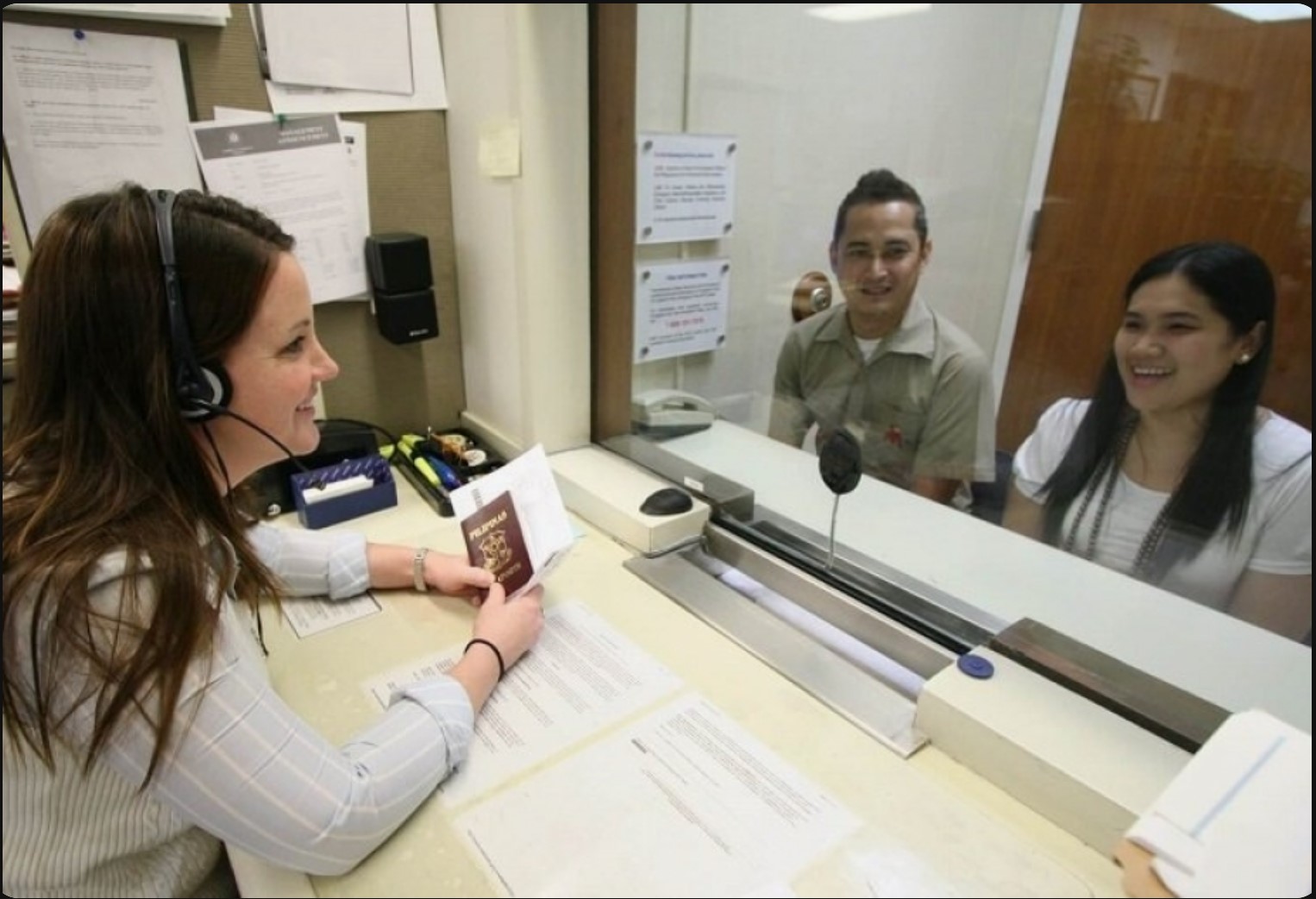
Mistake #1: The Memorization Robot
What It Sounds Like:
“London South Bank University is ranked 801 to 1000 in QS World Rankings, 301 to 350 in Times Higher Education Rankings, 116th in Complete University Guide 2023, and 96th in Guardian University Guide 2023…”
Why It Fails:
- Immigration officers listen to 10-20 interviews daily
- They instantly recognize memorized answers
- Memorization suggests you don’t genuinely understand
- Robots don’t make good students
How to Fix:
✅ Learn concepts, not sentences
✅ Use conversational transitions: “Let me think…”, “That’s interesting because…”
✅ Allow natural pauses
✅ Make occasional minor corrections (“Actually, I meant…”)
✅ Use examples, not just facts
Example Comparison:
❌ Robotic: “The module Fundamentals of Software Development covers variables, data types, algorithms, conditional and iterative controls, and use of functions.”
✅ Natural: “What really excited me about the Software Development module was… actually, let me back up. In my HSC, I learned basic Python—you know, simple loops and if-statements. But this module goes way deeper into professional practices. Things like version control with Git, which I know from researching jobs is essential. The course catalog mentioned it’s 100% coursework, which honestly suits me better than exams. Does that make sense?”
Mistake #2: Vague Course Knowledge
Red Flag Answers:
- “I want to study computer science because it’s the future”
- “This university has a good reputation”
- “I like technology”
Why It Fails:
Generic answers could apply to ANY university, ANY course. Shows no research.
How to Fix:
Use the 3-S Method: Specific, Sourced, Self-Connected
Specific: Name exact modules, professors, facilities
Sourced: “I read on the course page…”, “Current students told me…”, “The prospectus showed…”
Self-Connected: Link to YOUR background, learning style, goals
Example:
✅ “I chose LSBU’s BSc Computer Science specifically for three modules:
- ‘Requirements Analysis and UCD’ – I read the module description on page 12 of the course handbook. It covers user-centered design, which directly applies to mobile app development—my career goal. Bangladesh’s fintech sector (bKash, Nagad) needs developers who understand user needs, not just coding.
- ‘Professional Practice’ – A current student in the Facebook group mentioned this teaches CV writing, LinkedIn optimization, and interview skills. As an international student, I need these UK professional standards to compete in Bangladesh’s job market.
- ‘Data Structures & Algorithms’ – Every software developer job posting I researched (I saved 15 from Bdjobs.com) requires these skills. The module’s 60% coursework means I’ll have portfolio projects to show employers, not just exam grades.”
Mistake #3: Unclear Financial Picture
Red Flag Answers:
- “My father has a good business”
- “We have enough money”
- “I’ll manage somehow”
Why It Fails:
- 40% of visa rejections stem from financial concerns
- Vagueness suggests hiding something
- “We’ll manage” implies you’ll work illegally
How to Fix:
Use the Money Trail Formula:
- Specific income sources (names, numbers, registration)
- Mathematical breakdown (% of income vs. % needed)
- Sustainability proof (savings, assets, growth)
- Documentation offer (shows transparency)
Example:
✅ “My father owns ‘Hussain Leather Works,’ registered with Bangladesh Trade License #12345 since 2005.
Income Breakdown:
Business profit: 350,000 BDT/month average (2023 tax return)
Property 1 rental: 60,000 BDT/month (Dhanmondi apartment)
Property 2 rental: 150,000 BDT/month (Gulshan commercial)
Total: 560,000 BDT/month = 6.72 million BDT/year
At current rate (136 BDT per GBP):
Annual income: £49,412
My annual cost: £32,100 (tuition £15,900 + living £16,200)
This represents 65% of annual income
Why sustainable:
- Mother’s inheritance (£12,000/year) covers household expenses
- No mortgage on primary residence
- £28,000 education fund already saved
- Business showing 10% annual growth
Documentation ready:
- 12 months business bank statements
- Property rental agreements
- Tax returns (2021-2023)
- Business registration certificate
- Savings account statements
Would you like me to email these documents for verification?”
Mistake #4: Weak Return Intentions
Red Flag Answers:
- “I’ll probably go back to my country”
- “I want to work in the UK for experience first”
- “I’ll see what opportunities come up”
Why It Fails:
- Student visa is TEMPORARY
- Wishy-washy answers signal overstay risk
- Mentioning UK work raises red flags
How to Fix:
Use the Triple-Lock Return Strategy:
Lock 1: Economic Opportunity (specific jobs, salaries, growth)
Lock 2: Family Obligations (can’t fulfill remotely)
Lock 3: Arranged Opportunities (evidence you’ve planned)
Example:
✅ “I will return to Bangladesh within 2 weeks of graduation—I’ve already researched the timeline.
Economic Opportunity:
Bangladesh’s tech sector is booming—25% annual growth (Bangladesh Association of Software and Information Services data). Companies like Brain Station 23 have UK graduate recruitment programs. I’ve contacted their HR (email saved) about their September 2027 intake. Entry salary: 120,000 BDT/month, reaching 400,000+ within 5 years.
While UK salaries are higher nominally (£28k vs £9k equivalent), purchasing power is similar after living costs. More importantly, UK degree holders in Bangladesh face almost zero competition—there are 15,000 unfilled developer positions annually.
Family Obligations:
As eldest son in traditional family, I must:
- Manage my father’s business when he retires (2030, age 63)
- Support my sister’s education (she starts university 2025)
- Care for aging grandparents (traditional expectation)
- Eventually inherit family property (£180k value)—requires residency
These aren’t optional. I literally cannot fulfill these obligations from the UK.
Arranged Opportunities:
I’ve already:
- Connected with 3 LSBU alumni in Dhaka (LinkedIn messages saved)
- Bookmarked graduate trainee applications (Brain Station 23, Grameenphone)
- Identified housing near tech hubs (budgeted £180/month in Gulshan)
- Received conditional offer for internship at my father’s business associate’s firm
I have a return flight budgeted for September 15, 2027—two weeks after expected graduation.”
Mistake #5: Poor English During Interview
Red Flags:
- Long pauses while translating in head
- Asking for questions to be repeated multiple times
- Using extremely simple vocabulary only
- Grammatical errors every sentence
Why It Matters:
If you can’t handle a 20-minute interview in English, how will you survive 3 years of lectures, essays, and exams?
How to Improve (Short-term tactics):
If English is your weakness:
- Buy thinking time naturally:
- “That’s an interesting question. Let me think about that for a moment…”
- “Could you rephrase that? I want to make sure I give you an accurate answer.”
- “Just to clarify—are you asking about X or Y?”
- Use simpler words CONFIDENTLY rather than complex words INCORRECTLY:
- ❌ “I am very enthusiastic to commence my educational journey at this esteemed institution.”
- ✅ “I’m really excited to start studying at LSBU.”
- Prepare connector phrases:
- “What I mean is…”
- “To give you an example…”
- “The main reason is…”
- “Let me explain that differently…”
- Admit if you don’t understand:
- ✅ “I’m sorry, could you please repeat that question? I want to give you the best answer.”
- This is BETTER than guessing and answering the wrong question.
Mistake #6: No Questions for the Interviewer
What Happens:
“Do you have any questions for me?”
“No, I think you covered everything.”
Why It Fails:
Genuine students are curious. No questions suggests:
- You’re not really interested
- You did zero research
- You’re just trying to “get through” the interview
How to Fix:
Prepare 3-5 thoughtful questions:
✅ Good Questions:
- “I noticed LSBU has partnerships with IBM and Microsoft. How do students typically access these opportunities? Are there application processes or selection criteria?”
- “For international students in computer science, what support does the university offer for securing internships or graduate positions back in our home countries?”
- “I’ve connected with some LSBU alumni from Bangladesh on LinkedIn. Is there a formal alumni mentoring program, or do students typically arrange these connections independently?”
- “The Pre-CAS process has been thorough—thank you. Once I receive my CAS, what are the next steps? How long does visa processing typically take for students from Bangladesh?”
- “I read about the 24/7 computer labs in the course materials. Are these available from day one, or is there an orientation period?”
❌ Bad Questions:
- “When will I get my CAS?” (Impatient)
- “Can I work part-time?” (Signals financial desperation)
- “Is London safe?” (Off-topic, shows lack of research)
- “What’s the pass rate?” (Suggests you’re worried about failing)
What Happens After Your Pre-CAS Interview? (2024 Timeline)
Immediate Post-Interview (0-48 Hours)
What the University Does:
- ✅ Interviewer completes assessment form
- ✅ Reviews interview recording
- ✅ Compares answers to application documents
- ✅ Flags any inconsistencies or concerns
- ✅ Assigns preliminary credibility score
What You Should Do:
✅ Send follow-up thank-you email within 24 hours
✅ Attach any promised documents
✅ Address any unclear points from interview
✅ Start preparing visa application documents
Follow-Up Email Template:
Subject: Follow-Up: Pre-CAS Interview – [Your Name] – [Application ID]
Dear [Interviewer Name],
Thank you for conducting my Pre-CAS interview on [Date]. I appreciated the opportunity to discuss my application for BSc (Hons) Computer Science at LSBU.
Following our conversation, I wanted to provide additional documentation that may be helpful:
1. Financial Evidence:
- Father’s business bank statements (6 months) – attached
- Property rental agreements – attached
- Sponsorship letter (notarized) – attached
- Business registration certificate – attached
2. Academic Documentation:
- HSC certificate and transcripts – attached
- IELTS scorecard – attached
- Explanation letter for study gap – attached
3. Return Intent Evidence:
- Contact details of LSBU alumni in Bangladesh – attached
- Screenshot of graduate trainee programs – attached
- Family responsibilities documentation – attached
If you require any additional information or clarification, please don’t hesitate to contact me. I’m committed to full transparency in this process.
I look forward to receiving my CAS and beginning my studies at LSBU in September 2024.
Best regards,
[Your Full Name]
Application Reference: [ID]
Email: [Email]
WhatsApp: [Number with country code]
Week 1: Documentation Verification
What the University Does:
- ✅ Compliance team reviews financial documents
- ✅ Verifies banks, businesses, sponsors exist
- ✅ May contact banks directly (with your permission)
- ✅ Checks property registrations
- ✅ Cross-references all claims
Possible Outcomes:
✅ Green Light: All documents verified, moving to immigration assessment
⚠️ Yellow Flag: Minor issues, university requests:
- Additional bank statements
- Clarification letter from sponsor
- Updated financial calculations
- Certified translations
❌ Red Flag: Serious concerns:
- Forged documents detected
- Income claims don’t match bank statements
- Sponsor relationship questionable
What You Should Do:
- ✅ Monitor email CONSTANTLY (check spam folder)
- ✅ Respond to document requests within 24-48 hours
- ✅ Have sponsor available for verification calls
- ✅ Keep physical documents ready for scanning
Week 2: Immigration Compliance Assessment
What the University Does:
- ✅ Reviews case against UKVI guidelines
- ✅ Compares your profile to recent approvals/rejections
- ✅ Assesses risk factors:
- Study gaps
- Previous visa refusals
- Financial sustainability
- Return intention credibility
- English proficiency concerns
- ✅ Prepares decision recommendation
Risk Categories:
| Risk Level | Characteristics | Likely Outcome | Action Required |
|---|---|---|---|
| Low Risk | – Clear finances<br>- Strong academics<br>- Obvious return intent | CAS issued | None – wait |
| Medium Risk | – Minor study gap<br>- Borderline finances<br>- Generic career plans | Additional interview<br>OR conditional CAS | Provide extra evidence |
| High Risk | – Large study gaps<br>- Insufficient funds<br>- Weak English<br>- Vague plans | Likely rejection | Consider appeal preparation |
What You Should Do:
- ❌ Don’t email daily asking for updates (looks desperate)
- ✅ ONE polite follow-up email after 10 days is acceptable
- ✅ Prepare visa documents assuming approval
- ✅ Research UK student visa requirements
Week 3-4: Final Decision
Approval (85-92% of Cases):
You’ll Receive:
✅ CAS number (15-digit reference)
✅ CAS statement (PDF with course details)
✅ Visa application instructions
✅ Deadline for visa application
✅ Pre-departure information
Next Steps:
- Pay visa application fee (currently £490)
- Book biometrics appointment
- Pay Immigration Health Surcharge (£470/year)
- Complete online visa application
- Attend visa appointment
- Wait 3-8 weeks for decision
Rejection (8-15% of Cases):
You’ll Receive:
- Detailed rejection letter
- Specific reasons for refusal
- Appeal process information
- Refund eligibility details
Common Rejection Reasons:
- “Insufficient evidence of financial sustainability”
- “Doubts about genuine student intent”
- “Unclear post-graduation plans / return intention”
- “Significant unexplained gap in education”
- “English language proficiency concerns”
Pre-CAS Interview Rejection: How to Appeal Successfully
Appeal Timeline & Success Rates
Important Stats:
- Appeal window: Usually 10-15 days from rejection
- Success rate with NEW evidence: ~35-40%
- Success rate without new evidence: ~5-8%
- Second appeal success rate: ~10-15%
Step 1: Understand the EXACT Rejection Reason
Your rejection letter will cite specific concerns. Examples:
Example Rejection 1: Financial Concerns
“The university has concerns regarding the sustainability of your sponsor’s financial support. While your father’s stated income is £50,000 annually, your three-year education costs represent 65% of annual income over three years. The university requires stronger evidence that this level of financial commitment will not cause hardship to your family.”
Example Rejection 2: Return Intent
“Your interview answers regarding post-graduation plans lacked specificity. Generic statements about ‘contributing to my country’s development’ do not demonstrate concrete return intentions required under UKVI guidelines.”
Example Rejection 3: Course Knowledge
“Your responses indicated limited understanding of the specific course curriculum. Several module descriptions appeared memorized from marketing materials rather than demonstrating genuine academic interest.”
Step 2: Gather NEW Evidence (Not Just Re-arguing)
For Financial Rejection:
❌ Weak Appeal: “My father definitely has enough money. Please reconsider.”
✅ Strong Appeal with NEW Evidence:
NEW Documents to Provide:
- ✅ Education loan approval letter from recognized bank
- Example: “HSBC Bangladesh approved £35,000 education loan at 6.5% interest”
- Reduces dependency on sponsor’s current income
- ✅ Property valuation certificates
- Professional appraisal showing £120,000 total equity
- Demonstrates assets beyond cash flow
- ✅ Business auditor’s report
- Certified public accountant statement
- Projects 12% revenue growth (conservative estimate)
- ✅ Additional sponsor commitment
- Uncle/aunt offering £10,000 emergency fund
- Notarized letter with their financial statements
- ✅ Household expense separation proof
- Mother’s separate income statements
- Bank statements showing household costs covered separately
Appeal Letter Financial Section Template:
I understand the decision was based on concerns about financial sustainability, specifically that my education costs represent 65% of my father’s annual income over three years.
Since the interview, I have secured additional financial support:
NEW Financial Sources:
- Education Loan Approved: HSBC Bangladesh has approved a £35,000 education loan at 6.5% annual interest (approval letter attached). This covers:
- Year 1 tuition: £15,900
- Year 1 living: £16,200
- Buffer: £2,900
- Property Assets Verified: Professional valuation (attached) confirms:
- Property 1 (Dhanmondi): £72,000 current value
- Property 2 (Gulshan): £48,000 current value
- Total equity: £120,000
- These assets provide security against income fluctuation
- Business Growth Documentation: Certified accountant’s report (attached) shows:
- 2021 revenue: 42 million BDT
- 2022 revenue: 46 million BDT (9.5% growth)
- 2023 revenue: 51 million BDT (10.8% growth)
- Projected 2024: 57 million BDT (conservative 12% growth)
- Household Expense Separation: Bank statements (attached) prove my mother’s inheritance income (£12,000/year) covers all household expenses through separate account. My father’s business income is therefore available for my education.
Revised Financial Calculation:
| Source | Annual Amount | 3-Year Total |
|---|---|---|
| Father’s income allocation | £18,000/year | £54,000 |
| Education loan | £35,000 (lump sum) | £35,000 |
| Mother’s emergency fund | £3,000/year | £9,000 |
| TOTAL AVAILABLE | £98,000 | |
| Required | £96,300 | |
| Buffer | £1,700 (1.8%) |
This NEW evidence demonstrates financial sustainability without hardship to my family.
For Return Intent Rejection:
❌ Weak Appeal: “I promise I will return to Bangladesh after studying.”
✅ Strong Appeal with NEW Evidence:
NEW Documents:
- ✅ Conditional job offer from Bangladesh company
- ✅ Property inheritance agreement (legal document requiring return)
- ✅ Professional membership requiring annual in-person renewal
- ✅ Family business succession plan naming you
- ✅ Specific job application screenshots with timelines
Appeal Letter Return Intent Template:
I understand the decision cited concerns about vague post-graduation plans. Since the interview, I have secured concrete evidence of return intentions:
NEW Return Intent Evidence:
- Conditional Offer of Employment: Brain Station 23 Limited (Bangladesh’s largest software firm) has provided a conditional offer (attached) for their September 2027 Graduate Developer Program, contingent on:
- Completion of UK BSc Computer Science degree
- Return to Bangladesh by September 15, 2027
- Starting salary: 150,000 BDT/month (£1,103/month)
- Property Inheritance Agreement: Notarized legal document (attached) confirms:
- I will inherit family properties valued at £180,000
- Inheritance is CONTINGENT on establishing permanent residence in Bangladesh by age 30
- Document includes lawyer’s certification and witness signatures
- Professional Membership: I’ve registered with Bangladesh Computer Society (BCS) – membership #45782 (certificate attached):
- Requires annual in-person renewal at Dhaka headquarters
- Professional recognition tied to Bangladesh presence
- £50 annual fee demonstrates ongoing commitment
- Family Business Succession Plan: My father has filed legal succession documents (attached) naming me as business manager starting January 2030 when he retires. The business registration requires:
- Bangladesh citizenship (I cannot operate from abroad)
- Physical presence for supplier/client relationships
- Local bank account management
- Detailed Job Application Timeline:
| Date | Action | Company | Evidence |
|---|---|---|---|
| July 15, 2027 | Submit application | Brain Station 23 | Website screenshot attached |
| July 20, 2027 | Submit application | Grameenphone Graduate Program | Application portal screenshot |
| August 1, 2027 | Submit application | Pathao | LinkedIn job posting saved |
| August 10, 2027 | Expected interviews | Multiple companies | Calendar blocked |
| September 15, 2027 | Target start date | Selected company | Return flight budgeted |
Additional Return Guarantees:
- Booked refundable return flight for September 12, 2027 (booking reference: XYZ123)
- Identified accommodation in Gulshan (near tech companies): £180/month budgeted
- Connected with LSBU Bangladesh Alumni Association (membership confirmation attached)
This specific, documented evidence demonstrates concrete—not vague—return intentions.
Step 3: Write a Professional Appeal Letter
Structure:
Part 1: Acknowledge (Don’t Argue)
“I have carefully reviewed the rejection letter dated [date] and understand the decision was based on [specific concern].”
Part 2: Accept Responsibility
“Upon reflection, I recognize my interview responses could have been more specific regarding [issue]. I should have provided the detailed evidence I’m now submitting.”
Part 3: Present NEW Evidence
“Since the interview, I have gathered substantial additional documentation that directly addresses the university’s concerns:”
[Detailed new evidence with attachments]
Part 4: Demonstrate Understanding
“I now understand that UKVI and the university require [specific requirement]. The attached evidence clearly demonstrates [how you meet it].”
Part 5: Request Specific Action
“Based on this new evidence, I respectfully request:
- Reconsideration of my CAS application, OR
- A second interview to discuss this additional documentation, OR
- Written feedback on what further evidence would be required”
Part 6: Professional Close
“I appreciate the university’s thorough compliance process and understand it protects both the institution and genuine students like myself. Thank you for considering this appeal.”
Step 4: Submit Appeal (Timing Matters)
Best Practices:
✅ Submit within 3-5 days of rejection (shows seriousness)
✅ Email AND postal mail (get tracking number)
✅ Include all documents in ONE PDF (properly labeled)
✅ Keep total under 25MB (split if necessary)
✅ Name files clearly: “APPEAL-YourName-FinancialEvidence.pdf”
Email Subject Line:
“FORMAL APPEAL – Pre-CAS Rejection – [Your Name] – App ID: [Number]”
LSBU Pre-CAS Interview: University-Specific Tips
LSBU Interview Characteristics (2024)
Based on student reports and university policy:
Interview Format:
- Platform: Usually Microsoft Teams (occasionally Zoom)
- Duration: 15-25 minutes average
- Interviewer: Admissions officer or compliance team member
- Recording: All interviews recorded for UKVI compliance
- Structure: Semi-structured (some standard questions, some follow-ups)
LSBU-Specific Questions:
Q: “Why LSBU specifically, compared to other London universities?”
What They’re Really Asking:
Did you just pick any London university, or do you know what makes LSBU unique?
Strong Answer Elements:
✅ Mention LSBU’s employability focus (96% employment rate)
✅ Reference specific LSBU facilities (£50M recent investment)
✅ Compare to other London universities YOU researched
✅ Mention LSBU alumni in your country (if you’ve connected)
✅ Reference Elephant & Castle campus location advantages
Example:
“I compared LSBU with Westminster, Coventry London, and Greenwich. LSBU stood out for three reasons:
- Employability Focus: LSBU’s 96% graduate employment rate (HESA 2023) beats the London average of 88%. For an international student, I need strong career support—LSBU’s employability team has specific services for international students returning home.
- Industry Connections: LSBU’s Clarence Centre partnerships with IBM, PwC, and Microsoft provide access to industry that’s harder to get at regional universities. The campus location—15 minutes from London Bridge and Tech City—means guest lectures from actual industry professionals.
- Cost-Value Ratio: At £15,900 annually, LSBU costs £6,400 less than Westminster (£22,300) for similar quality education. The £19,200 I save over three years allows me to afford a master’s degree later without family hardship.
- Alumni Network: I connected with three LSBU computer science graduates (2015-2019) now working in Bangladesh through LinkedIn. Their firsthand accounts of career services and academic support convinced me LSBU delivers on its employability promises.”
Q: “LSBU has students from 130 countries. How will you handle cultural diversity?”
What They’re Really Asking:
- Will you integrate or isolate in your ethnic community?
- Can you work in diverse teams (important for UK workplace skills)?
- Are you mature enough for international environment?
Strong Answer:
“Cultural diversity is actually one of LSBU’s attractions for me. Here’s why:
Professional Preparation:
Bangladesh’s tech sector increasingly works with international clients—bKash partners with Bill & Melinda Gates Foundation, Grameenphone with Telenor Norway. The developers who succeed understand cross-cultural communication. LSBU’s diverse student body prepares me for this reality.
Learning Opportunity:
I plan to:
- Join LSBU’s International Student Society (I’ve already joined their Facebook group)
- Participate in group projects with diverse teammates—the course structure emphasizes team-based coursework
- Attend cultural exchange events (Diwali, Chinese New Year, etc.) to build global perspective
Past Experience:
In my HSC, our school had exchange program with students from India and Nepal. I learned that collaborative problem-solving improves when teams bring different perspectives. In computer science, debugging benefits from diverse thinking approaches.
Balanced Approach:
I’ll certainly connect with the Bangladesh student community for cultural familiarity and support. But I’m committed to stepping outside that comfort zone—otherwise, why study internationally? The whole point is exposure to different perspectives.”
LSBU Red Flags to Avoid
Based on 2023-2024 rejection patterns:
❌ Mentioning part-time work too eagerly
- LSBU is in expensive London area
- If you emphasize needing part-time income, suggests insufficient funds
- Only mention work for “experience,” not necessity
❌ Vague London attractions
- Don’t say “London is a great city” without specifics
- Reference specific advantages: tech hub, industry access, global companies
- Show you researched beyond tourist attractions
❌ Comparing LSBU negatively to Russell Group
- Don’t say “I couldn’t get into Oxford, so LSBU is my backup”
- Frame positively: “I chose LSBU’s practical approach over more theoretical Russell Group programs”
❌ Unclear housing plans
- LSBU doesn’t guarantee university accommodation for all international students
- Show you’ve researched: “I’ve looked at shared flats in Zones 2-3, budgeting £600-700/month”
❌ Not knowing Elephant & Castle campus
- LSBU’s main campus is Elephant & Castle (not central London)
- Reference specific facilities: “The Clarence Centre for Enterprise, the student hub, the 24/7 library”
Pre-CAS Interview Checklist: Final 48 Hours (Printable)
The Night Before
Technical Setup:
- Laptop/device fully charged (+ charger nearby)
- Backup device ready (phone/tablet)
- Internet speed tested (minimum 5 Mbps upload)
- Zoom/Teams downloaded and tested
- Camera tested (face clearly visible, well-lit)
- Microphone tested (clear audio, no echo)
- Headphones ready (reduces audio issues)
- Backup internet (mobile hotspot) tested
Environment:
- Quiet room selected
- Professional background (plain wall, bookshelf)
- Good lighting (face visible, no shadows)
- Door can be closed and locked
- Family informed – NO interruptions
- Pets secured (no barking/meowing)
- Window blinds adjusted (no backlight)
Documents Ready (Physical + Digital):
- Passport (for ID verification)
- University application printout
- Personal statement printout
- Offer letter
- Financial documents folder
- Academic transcripts
- English test scorecard
- Notes card (key statistics only—for glancing, NOT reading)
Personal Preparation:
- Professional outfit laid out (top AND bottom)
- Hair/grooming planned
- Glass of water ready
- Tissues nearby
- Pen and paper (for taking notes)
- Clock visible (time awareness)
Content Review:
- Read personal statement one final time
- Review application answers
- Glance at key statistics (tuition, living costs, etc.)
- Practice saying course name, modules aloud
- Rehearse 30-second self-introduction
- Review 5 reasons you chose this university
- Confirm post-graduation plan details
Mental Preparation:
- Set 3 alarms (60 mins, 30 mins, 10 mins before)
- Plan light breakfast (avoid heavy, sugary foods)
- Get 7-8 hours sleep
- Avoid alcohol night before
- Prepare positive affirmations (“I am qualified,” “I’ve prepared well”)
2 Hours Before Interview
- Eat light meal
- Use bathroom
- Dress in full professional outfit (affects psychology even if only top visible)
- Do 5-minute vocal warm-up (read aloud, tongue twisters)
- Test technology ONE FINAL TIME
- Close all unnecessary browser tabs
- Close all apps except interview platform
- Turn off notifications on all devices
- Put phone on silent (unless using for interview)
- Place water glass out of camera view but within reach
- Set up notes card (statistics only) out of camera view
30 Minutes Before Interview
- Do breathing exercises (4-7-8 technique):
- Inhale for 4 counts
- Hold for 7 counts
- Exhale for 8 counts
- Repeat 4 times
- Review key talking points (NOT full answers)
- Practice smiling in mirror (affects voice tone)
- Log into interview platform
- Check camera angle (eye level, face centered)
- Check lighting one final time
- Check background (nothing embarrassing visible)
- Have passport ready for ID check
10 Minutes Before Interview
- Join interview waiting room (shows punctuality)
- Do final mic/camera check
- Take three deep breaths
- Remind yourself: “I AM qualified. I HAVE prepared. This is a CONVERSATION, not interrogation.”
- Smile—it affects your voice tone even over video
- Sit upright but relaxed
- Hands visible (avoid looking like you’re typing/reading)
During Interview
Opening (First 2 Minutes):
- Greet professionally: “Good morning/afternoon. Thank you for this opportunity.”
- Smile and maintain eye contact with CAMERA (not screen)
- Have passport ready if asked for ID verification
- If asked “How are you?” give brief, positive answer: “I’m well, thank you. A bit nervous but excited to discuss my application.”
Body Language:
- Sit at 80% upright (not military stiff, not slouching)
- Keep hands visible (natural gestures okay)
- Nod occasionally when interviewer speaks
- Smile occasionally (you’re excited about this opportunity)
- Maintain eye contact with camera
- Breathe normally (prevents rushed speech)
Speaking Style:
- Speak at 80% normal pace (clarity over speed)
- Pause briefly before complex answers (shows thinking, not reciting)
- Use transition phrases: “That’s a great question…”, “Let me think about that…”
- Vary tone (monotone = memorized)
- If you misspeak, correct yourself naturally: “Actually, I meant…”
- If you don’t understand, ask for clarification: “Could you please rephrase that?”
Content Signals:
- Use specific numbers, names, dates (never vague)
- Reference your personal statement naturally: “As I mentioned in my application…”
- Connect answers to previous responses (coherent story)
- Give examples, not just facts
- Show genuine enthusiasm when discussing your course
- Be honest if you don’t know something: “I didn’t research that specific aspect, but I’d be interested to learn more.”
Danger Signs to Avoid:
- ❌ Long silences (looks like reading)
- ❌ Looking up/down/side repeatedly (reading notes)
- ❌ Exact phrase repetition (memorization)
- ❌ Defensive tone when questioned
- ❌ Rushing to “get it over with”
- ❌ Mentioning other visa applications/rejections
- ❌ Complaining about anything
- ❌ Interrupting interviewer
Closing (Last 2 Minutes):
- When asked “Any questions?” have 2-3 prepared
- Thank interviewer: “Thank you so much for your time today. I really appreciate the opportunity to discuss my application.”
- Confirm next steps: “What should I expect regarding timeline for the CAS decision?”
- Professional goodbye: “Have a great day. I look forward to hearing from you.”
- Stay on video until interviewer leaves (don’t exit first)
Immediately After Interview
Within 1 Hour:
- Write down questions you were asked (while fresh in memory)
- Note anything you forgot to mention
- Note anything you could have answered better
- Jot down interviewer’s name (if not already recorded)
Within 24 Hours:
- Send thank-you follow-up email
- Attach any promised documents
- Address any unclear points from interview
- Keep email professional, brief (max 200 words)
Within 1 Week:
- Prepare visa application documents (assuming approval)
- Research UK student visa requirements
- Calculate visa fees + immigration health surcharge
- Identify visa application center location
- Start gathering visa documents:
- CAS (when received)
- Financial documents
- Academic documents
- TB test (if required from your country)
- Passport photos
FAQ Section (For Featured Snippets)
Q: How long does a Pre-CAS interview take?
A: A typical Pre-CAS interview lasts 15-25 minutes. LSBU and most UK universities conduct interviews via video call (Zoom, Microsoft Teams) and record sessions for UKVI compliance. The interview covers your academic background, course knowledge, financial capability, and post-graduation plans.
Q: What questions are asked in Pre-CAS interview?
A: Common Pre-CAS interview questions include:
- Why did you choose this course?
- Why this university specifically?
- How will you fund your studies?
- What will you do after graduation?
- Why study in the UK vs. your home country?
- Explain your previous education and any study gaps
- What do you know about this course’s modules?
- How much are tuition fees and living costs?
- Who is your sponsor and what is their income?
- How will you handle studying in English?
Q: Can you fail a Pre-CAS interview?
A: Yes, approximately 8-15% of applicants fail Pre-CAS interviews. Common rejection reasons include:
- Insufficient financial evidence
- Vague post-graduation plans
- Poor course knowledge
- Weak English proficiency
- Unexplained education gaps
- Inability to prove genuine student intent
However, most rejections can be appealed with additional evidence.
Q: How do I prepare for LSBU Pre-CAS interview?
A: To prepare for London South Bank University Pre-CAS interview:
72 hours before:
- Research specific LSBU modules and facilities
- Calculate exact tuition (£15,900/year) + London living costs (£1,334/month UKVI requirement)
- Connect with current LSBU students
- Gather all financial documents
24 hours before:
- Test technology (camera, mic, internet)
- Prepare professional interview space
- Review your personal statement
- Practice answers OUT LOUD (don’t memorize)
2 hours before:
- Dress professionally
- Close all apps except interview platform
- Do breathing exercises
- Join meeting 10 minutes early
Q: What is CAS number for UK student visa?
A: A CAS (Confirmation of Acceptance for Studies) is a unique 15-digit reference number issued by UK universities after you pass Pre-CAS compliance checks. You cannot apply for a UK student visa without a CAS number. The CAS confirms:
- Your course details
- Your qualifications
- Your financial sponsorship
- Your English proficiency
CAS is valid for 6 months from issue date.
Q: How much money do you need for UK student visa 2024?
A: For UK student visa 2024, you must prove:
Tuition: Full first-year tuition (varies by university)
Living Costs:
- London: £1,334 per month × 9 months = £12,006 per year
- Outside London: £1,023 per month × 9 months = £9,207 per year
Example for LSBU (London):
- Tuition: £15,900
- Living: £12,006
- Total Year 1: £27,906
You must show this money has been in your (or sponsor’s) bank account for 28 consecutive days before visa application.
Q: What happens if Pre-CAS interview is rejected?
A: If your Pre-CAS interview is rejected:
Immediate actions:
- Read rejection letter carefully for specific reasons
- Gather NEW evidence addressing concerns
- Submit formal appeal within 10-15 days
Appeal success rates:
- With substantial new evidence: 35-40%
- Without new evidence: 5-8%
Alternative options:
- Apply to different UK university
- Reapply next intake with stronger application
- Consider online/distance learning programs
Q: Can I work during studies in UK on student visa?
A: Yes, UK student visa holders can work:
During term time: 20 hours per week maximum
During holidays: Full-time (no hour limit)
Allowed work:
- Part-time jobs
- Internships
- University campus jobs
- Freelance (if not running a business)
❌ Not allowed:
- Self-employment/business ownership
- Full-time work during term
- Professional sports
- Permanent full-time positions
Important: In Pre-CAS interviews, emphasize you don’t depend on part-time work financially (raises red flags).
Q: How long after Pre-CAS interview do you get CAS?
A: Typical CAS timeline after Pre-CAS interview:
- Week 1: Document verification
- Week 2: Immigration compliance assessment
- Week 3-4: Decision communicated
Average: 2-4 weeks from interview to CAS issuance
Factors affecting timeline:
- Document completeness (faster if everything provided upfront)
- University processing volume (slower during peak seasons: May-July)
- Complexity of your case (study gaps, financial concerns = longer review)
You can send ONE polite follow-up email after 10-14 days.
Q: What documents do I need for Pre-CAS interview?
A: Essential documents for Pre-CAS interview:
Identity:
- Valid passport
Academic:
- All degree certificates
- Transcripts
- English test results (IELTS, TOEFL, PTE)
Financial:
- Bank statements (6-12 months)
- Sponsor’s income proof
- Property documents (if applicable)
- Business registration (if sponsor is business owner)
- Sponsorship letter
- Tax returns (if available)
Application:
- University offer letter
- Personal statement
- Application reference number
Supporting:
- CV/resume
- Study gap explanation letter (if applicable)
- Previous visa history (if any)
